Refugees in the News Over the Holidays

IRC New Years Eve Ball Drop. Photo Credit: Michael Loccisano/Getty Images for IRC

Here are three holiday stories you might have missed. Hope they help you extend the energy and relaxation you’re feeling fresh from a break.

1. Refugee Drops the Ball in Time Square on New Years Eve: The IRC was the official partner of the Times Square Alliance New Years Eve ball drop. Click here and here to read more about the refugees who helped ring in the New Year. So cool, right?

2. Pope Francis Calls Iraqi Refugees for Christmas: Click here to read about a great opportunity to raise global awareness about the growing number of refugees worldwide and send hope to some refugees we might resettle in the future.

3. Turkey Grants Strengthened Legal Status to Syrian Refugees: Increased legal status, including identification cards is expected to improve legal work opportunities and access to other benefits. Not a bad holiday gift. Click here to read more.




Good Ideas for Refugee Youth Employment

Photo Credit: MYAN Australia

Higher Needs Your Advice about Successful Employment Strategies for Young Refugees

Innovative approaches to refugee youth employment is a priority topic at the upcoming Florida State Consultation in February. I’ll be presenting several sessions and hope to learn from your advice and good ideas as I prepare.

Are there special job development strategies, community resources or job readiness techniques that work for you? How do you help clients think about balancing their dreams of higher education with the immediate pressures of contributing to family self-sufficiency? How do you adjust your approaches to working with clients to best help refugee youth (ages 16-24)? Any specific best practices for working with younger Cuban clients?

If you would be willing to share your expertise in an informal email or phone call, please let me know.

Depending on how my presentation shapes up, I might be able to bring in a guest presenter or two via skype and could offer a modest honorarium to help make that possible.

Thanks in advance for your assistance.


Happy New Year and Happy Birthday

Happy Birthday and New YearWhen refugees arrive not knowing their date of birth — because it was never recorded, or because birthdays aren’t observed back home — government officials give them a birthday: January 1.

This creates common ground and a great opportunity to celebrate, welcoming refugees and a new year of safety and possibilities.

Here are several articles highlighting celebrations and refugees perspective about birthdays across the country.

Los Angeles, CA Boston, MA Chicago, IL Syracuse, NY Minneapolis, MN

Consider organizing a celebration with an employer of a large number of refugees next year. This great job development strategy could build team spirit and stonger understanding of refugee colleague perspectives.

Click here to see how IRC turns a teaching moment into a national fundraising strategy. It’s explained so well, I quoted part of their description in this post.


Last Minute Holiday Shopping

Holiday Shopping BagiStock_000015475220XSmallIn a panic over the gifts you still haven’t bought? There’s still time!

Be inspired and shop online and with all of the social enterprises Higher has featured in past blog posts. All of them employ refugees! Candles, granola, beanies and more. Click here.


10 Reasons to Hire Refugees

kelly postCheck out this great LinkedIn post from our colleague Kelly Rice, Employment Program Manager with International Center of Kentucky.

You can use the same talking points with your employment partners.

Posting it on LinkedIn makes sure that all of the employment partners Kelly’s already connected to are reminded of the win-win they get from working with Kelly.

How many employers are in your LinkedIn contacts?


A Colleague in the News in Dallas

Mohammed Farah

Photo Credit: Nathan Hunsinger, Dallas Morning News

Click here to read how our colleague Mohammed Farah, Program Manager at Catholic Charities, Dallas helps clients adjust expectations and prepare to join the U.S. workforce. And learn about his experience arriving as a refugee from Somalia almost 15 years ago.

76% of attendees at our recent Employment Workshop are from a refugee background or work with former refugee team members. Higher believes that this figure is typical of our entire network. We all know the value of this perspective in our work to help our clients succeed.


4 Ways to Utilize Volunteers in Employment Services

Sometimes it’s difficult to channel volunteer energy into employment services. Greeting new arrivals and preparing apartments are often more easily understood roles. Volunteers interested in employment often have availability after working hours, which is often a mismatch for employer, client and agency schedules.

Here are four great ideas from Cafe Clarkston (GA) at Friends of Refugees. Note the specific time commitments and use of lead volunteers to channel other volunteer energy and expertise. Click this link to learn more about this very effective volunteer program and how volunteers can apply and connect.

1. Job Class
Tuesdays, Wednesdays, Thursday, and Fridays
9:00am – 12:00pm | 2:00pm – 5:00pm

This class is taught by a lead volunteer, with some assistance by other volunteers. Students learn how to conduct an online job search and how to complete an online application. Volunteers can review the course material ahead of time and assist teaching in small groups or one-on-one.

2. Mentor Fridays
Fridays
2:00pm – 3:00pm

A few guest speakers participate in the first portion of class talking about their testimony with students and “what not to do” in the job search. Real stories are shared and mentor/disciple opportunities are opened.

3. Career Coaching Sessions
Tuesdays and Thursdays
2:00pm – 5:00pm | 5:00pm – 8:00pm
Individuals can schedule a one-on-one appointment to discuss career-related goals and possible job leads connected through the Cafe. People must have their resume completed and have worked with a volunteer on a prior job related activity.
4. Drop-in Center
Saturdays
12:00pm – 3:00pm
During Drop-in Hours, people practice the same skills introduced at the Job Ready class, work on resumes, look for jobs, learn how to type, etc. Anywhere from 15-20 people come through on a typical day – most of them will stay for more than an hour, some for the entire time. Volunteers don’t have to stay the whole 4 hours – whatever works with your schedule.


In FY2013 at Friends of Refugees, more than 50,000 volunteer hours served over 2,000 individuals across 10 program areas, including hundreds of job placements, 7,000 meals served in kids’ summer camp, hundreds of moms and kids learning English together, dozens of babies born to healthy moms and over 70 family kitchen tables filled with fresh produce from their plots in the Jolly Avenue community gardens!

When Refugees Can Work: The Case of Uganda

Ali Daud Omar will repair your cell phone for $6. He’s one of the refugees benefiting from the Ugandan government’s right-to-work policy. (Photo Credit: Gregory Warner/NPR)

Are refugees who are able to work in their host countries or elsewhere along their journey able to transition more successfully to job readiness when they arrive in the US?

My theory, based largely on experience, is yes. What experiences can you share that speak to the impact of the right to work in host countries on refugee resettlement success here in the US?

How it Looks in Uganda

Refugees and asylees have had the right to “practice a profession and have access to employment opportunities” in Uganda for 15 years.

Two recent articles and a 7 minute segment on NPR’s Planet Money podcast focus on their diverse contributions to the Ugandan economy as a result. (Click HERE and HERE for the relevant links.)

According to a UNHCR country profile, the three largest populations of “concern planned for under the Uganda operation in 2014 are: asylum-seekers and refugees originating from the DRC, Somalia and South Sudan, the vast majority of whom have arrived over the past five years.”


Federal Funding Restored for PY 14 Refugee Programs

fireworksIn case you haven’t heard - or still want to contribute to a network-wide sigh of relief, here’s a link to an ABC News article about last week’s announcement of the release of $71.5 million in federal funding for refugee resettlement services reprogrammed in June in the face of large numbers of unaccompanied minors crossing the southern US border.

Sadly, this great news doesn’t mean that the ongoing debate about immigration reform - or the needs of unaccompanied minors already here or future arrivals - isn’t still of great concern to all of us.

You may notice that this post is categorized as a success story. That’s deliberate. Working through this unsettling situation involved a great deal of initiative, commitment and leadership from all of us. It was worth the effort and greatly appreciated - especially by our clients who will continue to benefit from all of the services we provide.


Innovative Refugee Health Project in Seattle

EPA Somali Workshop

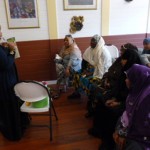
Fahmo Abdulle goes over healthy home tips with members of the Somali community. Photo from the original article by Kate Gibson, Communications/Fund Development Associate for the Environmental Coalition of South Seattle in the US EPA blog.

We all learned how much energy and innovation Seattle area refugee resettlement agencies and other community partners put into helping our clients thrive after Higher’s Seattle Employment Workshop in March.

Opening Immigrant Eyes to Environmental Health at Home describes how that collaborative energy raises community awareness and delivers resources beyond the scope of initial resettlement or employment services.

Members of the Burmese, Bhutanese and Somali community were trained and conducted workshops to increase awareness of indoor air quality with an EPA Environmental Justice Small Grant to the Environmental Coalition of South Seattle (ECOSS).

New immigrants may falsely assume that their environment and products they can buy in the US is cleaner and safer than in refugee camps or their home countries. The article includes great examples and comments from new immigrants in their own words.